
Expanding Horizons: In Conversation With MO Museum’s New International Art Advisory Board
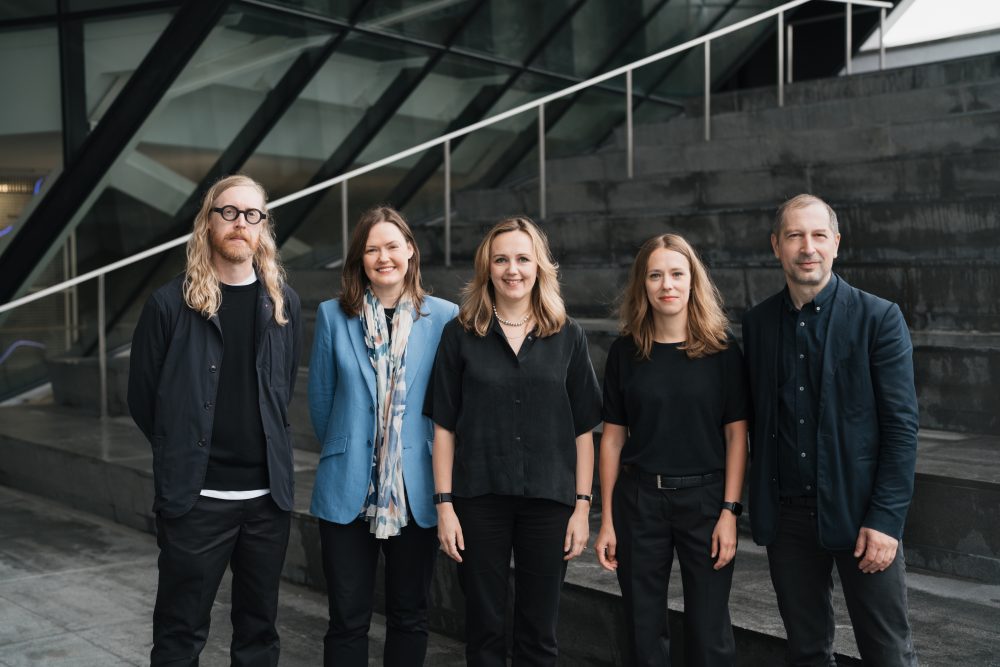
In response to a shifting global museum landscape, marked by decentralization, institutional self-reflection, and the rethinking of cultural authority, MO Museum in Vilnius has established an International Art Advisory Board. The initiative marks a new phase in the museum’s development, strengthening long-term curatorial thinking and deepening dialogue between its local collection and international contemporary art discourse.
The board brings together Gražina Subelytė, Curator at the Peggy Guggenheim Collection, Venice; Philipp Ziegler, Head of the Curatorial Department at ZKM | Center for Art and Media Karlsruhe; and Andreas Nilsson, Curator at Moderna Museet, Malmö. They join Milda Ivanauskienė, Director of MO Museum, and Miglė Survilaitė, Chief Curator, forming an advisory structure that bridges Baltic and international perspectives.
The museum has entered a new phase. Although we are still a relatively young institution, we continuously rethink what a modern and contemporary art museum is today and how this understanding informs our curatorial decisions.
Why did the museum decide to establish an International Art Advisory Board?
Milda Ivanauskienė: After seven years of activity, we reached a stage of organizational maturity where sustaining high exhibition quality and building long-term international partnerships required a new framework for thinking, which also includes outside opinions and experience. Up to this point, we relied mostly on internal expertise and short-term collaborations. The Art Advisory Board allows us to think more strategically and long-term, while opening our curatorial processes to external perspectives and experience.
How is the presence of the Art Advisory Board influencing MO Museum’s work so far?
Miglė Survilaitė: The museum has entered a new phase. Although we are still a relatively young institution, we continuously rethink what a modern and contemporary art museum is today and how this understanding informs our curatorial decisions. Since we don’t have a permanent display and instead focus on thematic exhibitions, we developed a more inclusive idea-generation process that we call curatorium.
This approach invites not only the Art Advisory Board but also the entire MO team to contribute insights and ideas. The international board helps us broaden our perspective, think more globally while strengthening our local grounding. It has already deepened internal discussions and sharpened how we frame exhibition concepts.
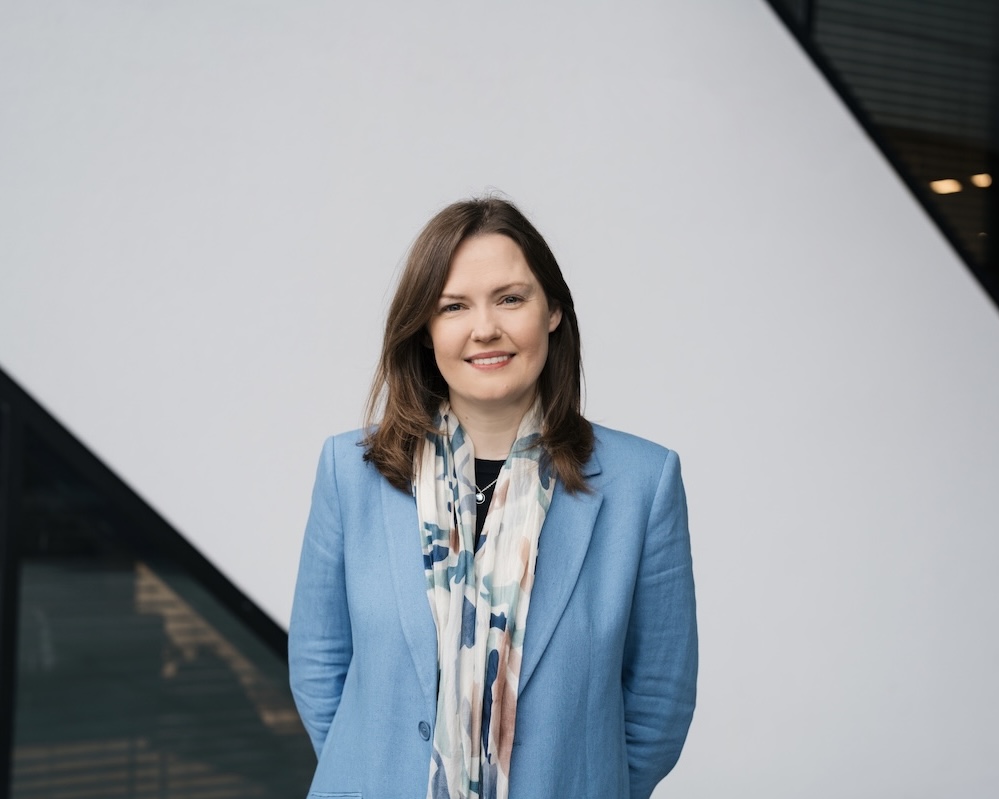
What does it mean for you personally to be part of MO Museum’s Art Advisory Board, and how does this role differ from your other professional engagements?
Gražina Subelytė: Joining MO Museum’s Art Advisory Board is both a personal and professional honor. As someone originally from Vilnius, Lithuania, but based abroad for more than half of my life, it is especially meaningful to reconnect with the Lithuanian art scene and contribute to a museum that has become such a vital cultural platform. Through MO, I also have the opportunity to engage with a wide range of local artists and stay informed about new initiatives, institutions, and developments across the Lithuanian cultural landscape.
Professionally, this board offers a distinct rhythm from my other engagements. Members provide feedback on exhibition proposals and ideas even at an early stage, which fosters a deeply enriching and hands-on curatorial dialogue. This in-depth involvement allows for an open, collaborative exchange around curatorial visions, pressing global issues, and regional cultural dynamics.
At MO, I encounter a strong spirit of openness, curiosity, and experimentation. It is both refreshing and rewarding to work with a museum that actively reimagines how contemporary art can engage with its audiences.
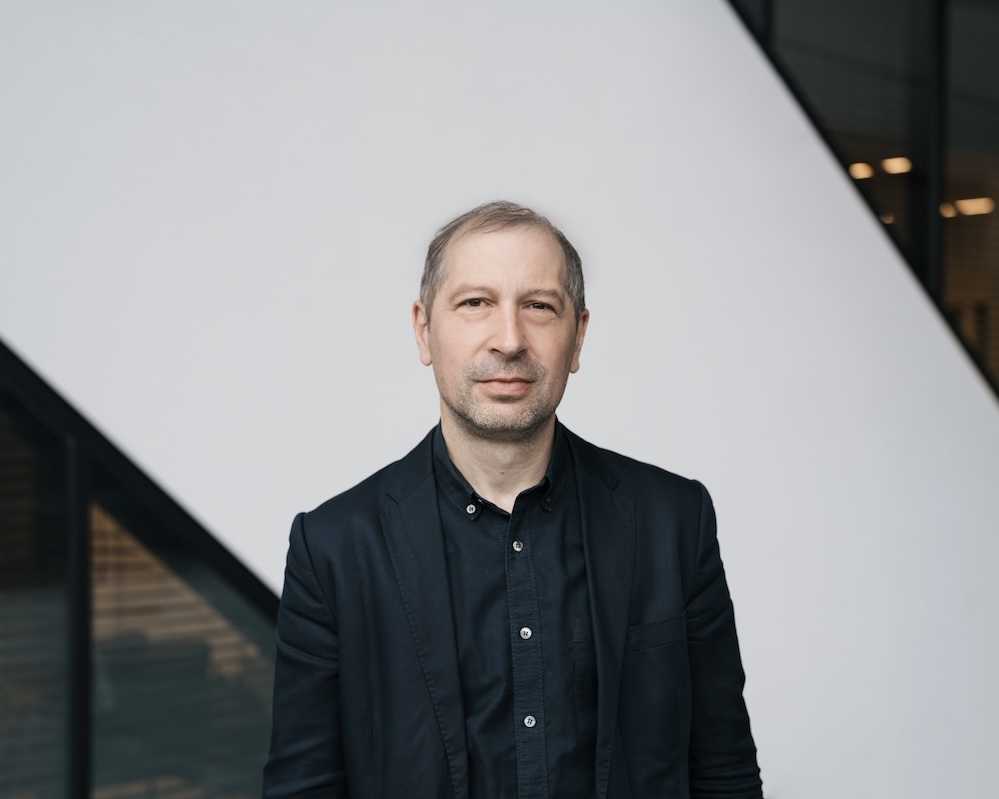
What aspects of MO Museum’s institutional model do you find particularly relevant today?
Philipp Ziegler: MO Museum plays a special role in Lithuania’s cultural landscape – it’s a private museum built around a collection and working very closely with it. At the same time, I think MO can serve as a model for many public institutions on how to navigate today’s challenging times, especially when it comes to finding resources and operating more independently from the state amid shrinking cultural budgets.
What’s impressive here is the museum’s awareness that it must sustain itself through its own means, generating income from ticket sales and other activities, while maintaining strong relationships with its supporters and community. This balance of public engagement and private backing is something many institutions could learn from.
What’s equally important is that MO does this without compromising artistic integrity. It doesn’t simply go for blockbusters or easy crowd-pleasers; instead, it continues to present bold, thought-provoking exhibitions that engage with current social issues and contemporary challenges. The museum’s exhibition program is ambitious, intellectually rich, and refreshingly varied – at times playful and entertaining, but often deeply reflective and research-driven.
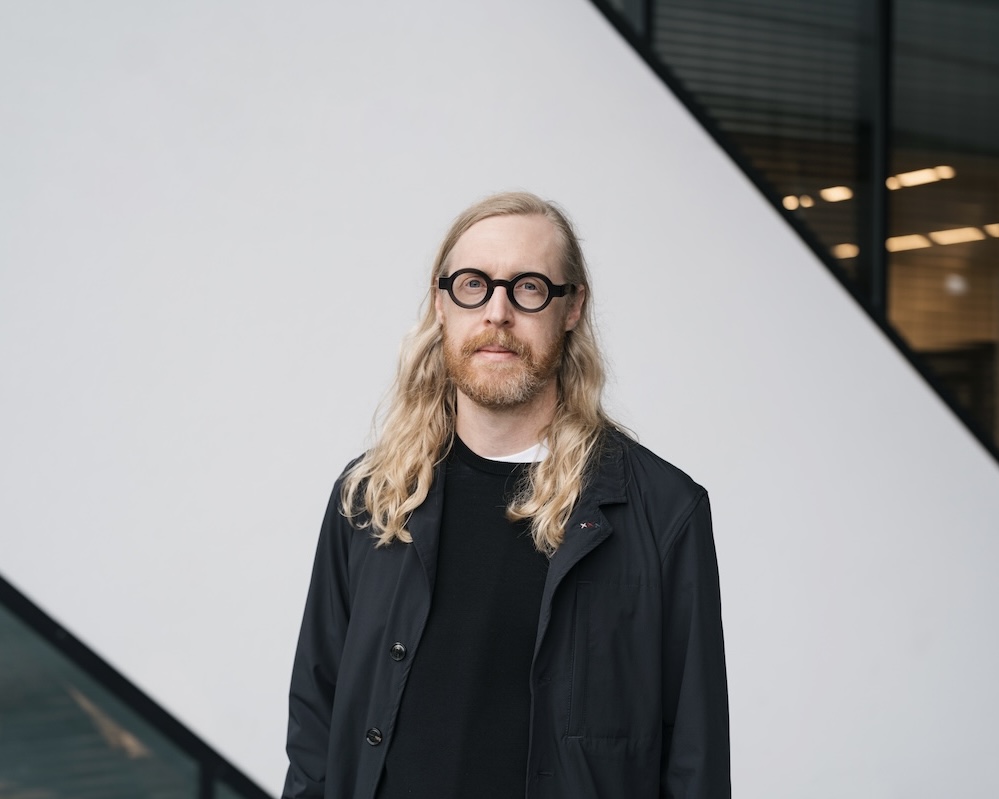
In your view, how can an advisory board have a tangible impact on a museum’s development?
Andreas Nilsson: To receive external input is always a great way to try out ideas and to receive other perspectives on things. The members can contribute various perspectives and knowledge, based on their expertise and experience. And it also becomes clear how differently other institutions work and decide on their program.
To me, an advisory board like this is not only about having an impact in one direction. It is a two-way communication that most likely also enriches the external members’ institutions.
How do you see MO Museum in the global cultural landscape? What sets it apart, and what could be further strengthened?
Andreas Nilsson: To my mind, what characterizes every museum is its collection first and foremost, and MO Museum has a strong and specific foundation in its collection of Lithuanian art.
MO Museum occupies a unique role as a mediator between local specificity and global discourse. This could be deepened through even more international partnerships and cross-border collaborations.
The collection could be even more emphasized in an international context. MO also has a strong track record of thematic group shows that discuss broad and topical subjects, where both the collection and temporary loans are used to build strong narrative exhibitions. The museum also involves exhibition architecture in an interesting way to make each visit something special.
Gražina Subelytė: MO stands out through its mission to position exhibitions as invitations to conversation, encouraging open dialogue, critical thinking, and discovery. Its distinctive architecture, central location, and thoughtfully curated programming already place it firmly among the most dynamic cultural institutions in Europe.
MO Museum occupies a unique role as a mediator between local specificity and global discourse. This could be deepened through even more international partnerships and cross-border collaborations. Such initiatives have already been underway for some time, and I look forward to seeing them continue to evolve at the museum in the coming years.
Philipp Ziegler: I’ve been deeply impressed by how seriously and thoughtfully the MO Museum team approaches these questions. There’s a real awareness of the museum’s role both within the cultural landscape of Lithuania and in dialogue with international contexts. The curatorial team works with great care and depth, crafting exhibitions that are intellectually strong yet accessible, relevant, and socially engaged.
What stands out most is the museum’s commitment to its audiences – not only art professionals but the broader public. The team is genuinely attentive to how people experience art and how exhibitions can speak to the issues shaping contemporary life. That sense of purpose and connection makes MO Museum a remarkable and inspiring place.
